
Hair Loss in Women: Causes, Symptoms & Effective Solutions
Hair loss is a common concern among women and can affect confidence and overall well-being. While it is normal to lose fewer than 80 hairs per day, excessive shedding or noticeable thinning may indicate an underlying issue that should be assessed by a qualified hair restoration professional.
At Advanced Hair Rejuvenation, we help identify the possible causes of hair loss and recommend suitable treatment options based on individual needs.
What is Hair Loss in Women?
Hair loss occurs when more hair falls out than grows back. It can appear as gradual thinning, excessive shedding, or visible patches of hair loss. The condition may develop slowly over time or occur suddenly depending on the underlying cause.
The Hair Growth Cycle
Healthy hair grows in three natural stages:
- Anagen (Growth Phase): Hair actively grows for 2–8 years.
- Catagen (Transition Phase): Hair growth slows for around 2–3 weeks.
- Telogen (Resting Phase): Hair rests for 2–4 months before naturally shedding.
When this cycle is disrupted, excessive hair loss may occur.
Common Types of Hair Loss in Women
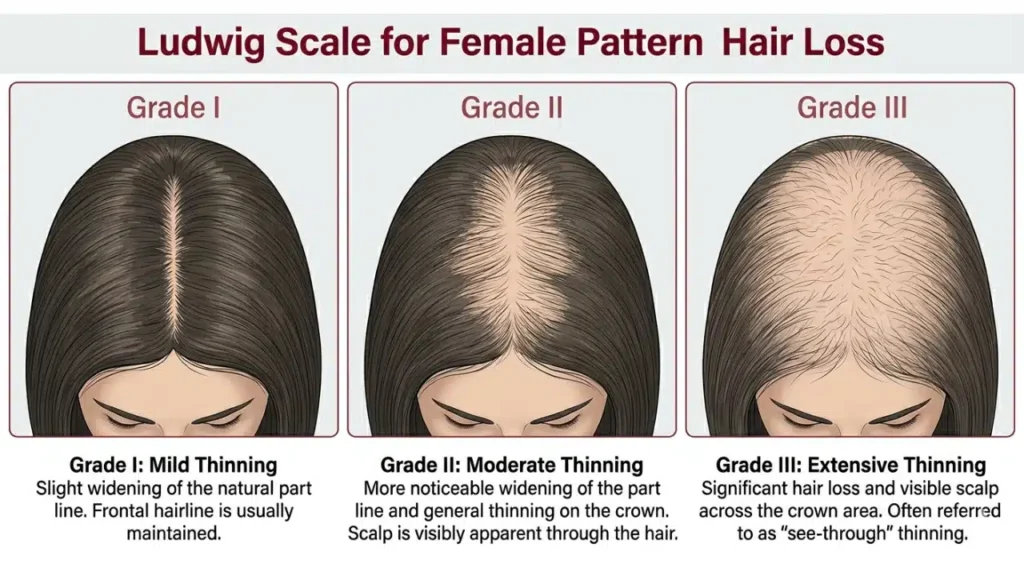
Female Pattern Hair Loss
The most common type of hair loss in women. Hair gradually becomes thinner, especially around the crown and parting line.
Telogen Effluvium
Temporary hair shedding triggered by physical or emotional stress, illness, surgery, childbirth, or sudden weight loss.
Anagen Effluvium
Rapid hair loss caused by certain medical treatments or medications that affect actively growing hair.
Common Causes of Hair Loss
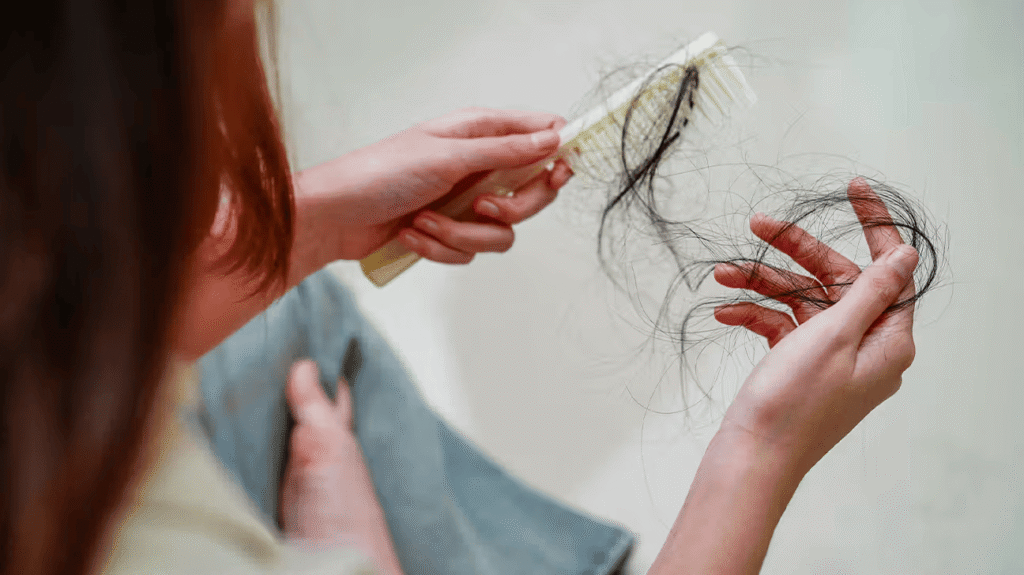
Hair loss can be caused by one or several factors, including:
- Genetics or family history
- Hormonal changes such as pregnancy or menopause
- Stress and emotional strain
- Nutritional deficiencies
- Thyroid disorders or anaemia
- Rapid weight loss or restrictive diets
- Certain medications
- Frequent chemical treatments, bleaching or excessive heat styling
Signs You Should Not Ignore
You may benefit from a professional hair assessment if you notice:
- More hair shedding than usual
- A widening hair part
- Thinning hair around the crown
- Visible scalp through the hair
- Smaller ponytail volume
- Hair that breaks easily
How Hair Loss is Assessed
A professional consultation may include:
- Reviewing your medical and family history
- Examining your scalp and hair density
- Assessing lifestyle, diet and stress levels
- Blood tests if an underlying medical condition is suspected
Identifying the root cause is important before recommending any treatment.
Treatment Options
Treatment depends on the cause and severity of hair loss. Common approaches include:
- Personalised scalp and hair assessment
- Lifestyle and nutritional improvements
- Managing stress
- Medical treatment when appropriate
- Scalp therapies
- Supplement/Serum
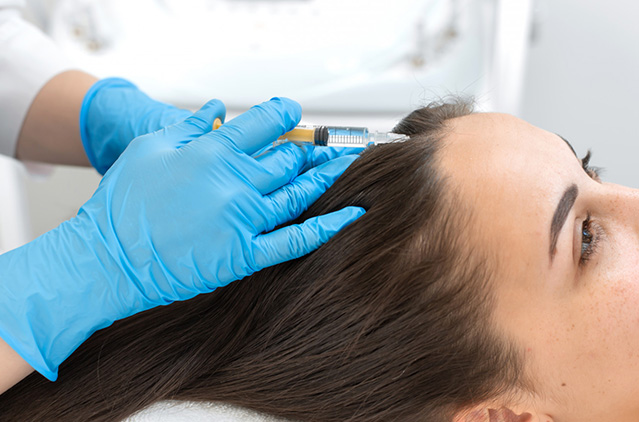
- Platelet-Rich Plasma (PRP) therapy/Exosomes/Peptides
- Hair restoration procedures for suitable candidates
At Advanced Hair Rejuvenation, treatment plans are tailored to each individual’s condition and goals.
Can Hair Loss Be Prevented?
Not every type of hair loss can be prevented, but healthy habits may help reduce the risk:
- Eat a balanced diet rich in protein, vitamins and minerals.
- Avoid excessive chemical processing and heat styling.
- Manage stress through regular exercise and adequate sleep.
- Treat medical conditions promptly.
- Seek professional advice early if hair thinning becomes noticeable.
When Should You Seek Professional Help?
If you experience persistent hair shedding, visible thinning, or sudden hair loss, it is advisable to seek a professional assessment as early intervention may help improve treatment outcomes.
Frequently Asked Questions
Is hair loss in women normal?
Yes, losing fewer than 80 hairs per day is considered normal. Excessive shedding or noticeable thinning should be evaluated.
Can hair grow back?
Depending on the cause, many cases of hair loss can improve with appropriate treatment and early intervention.
Does stress cause hair loss?
Yes. Significant physical or emotional stress can trigger temporary hair shedding known as telogen effluvium.
Can diet affect hair health?
Absolutely. Poor nutrition and deficiencies in essential vitamins and minerals may contribute to hair thinning and excessive shedding.
Conclusion
Hair loss in women is common, but it should not be ignored. Understanding the underlying cause is the first step towards finding an appropriate solution. Early assessment and personalised care can help improve hair health and support healthier hair growth.
If you are experiencing hair thinning or excessive hair loss, Advanced Hair Rejuvenation offers professional assessments and personalised hair restoration solutions to help you better understand your condition and explore suitable treatment options.
Explore Medical Hair Rejuvenation at Advanced Hair Rejuvenation
Hair loss does not always have one simple cause. At Advanced Hair Rejuvenation, we take a medical approach to understanding hair and scalp concerns before recommending suitable treatment options.
Depending on your condition, medical hair rejuvenation treatments such as Hair PRP, Hair PRF and Exosome Hair Treatment may be considered.
If you are concerned about hair thinning or excessive hair shedding, speak to our team at Advanced Hair Rejuvenation to learn more about your hair restoration and rejuvenation options.