
Hair shedding is a normal part of the hair growth cycle. However, excessive or persistent hair loss may indicate an underlying issue that needs attention.
Hair loss can be caused by genetics, hormonal changes, stress, medical conditions, nutritional deficiencies and other factors. Understanding the cause is the first step towards finding the right treatment.
In this article, we look at 10 common causes of hair loss and the treatment options that may help.
1. Androgenetic Alopecia
Androgenetic alopecia, also known as male or female pattern hair loss, is one of the most common causes of hair thinning.
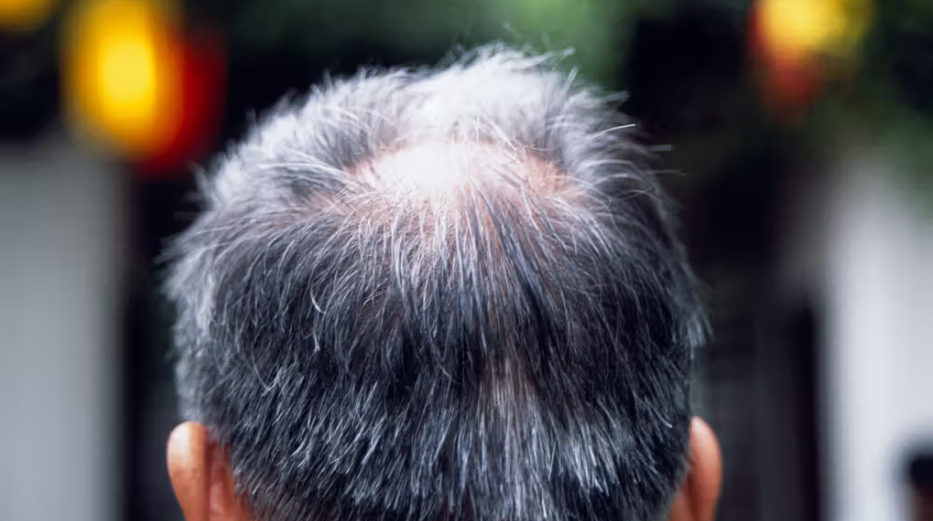
Men may notice a receding hairline or thinning around the crown, while women often experience gradual thinning across the scalp.
Possible treatment options include:
- Minoxidil
- Medical hair treatments
- PRP treatment
- Low-level laser therapy
2. Hormonal Changes
Changes in hormone levels can affect the hair growth cycle. Women may experience increased hair shedding after pregnancy, while other hormonal changes can also contribute to hair thinning.
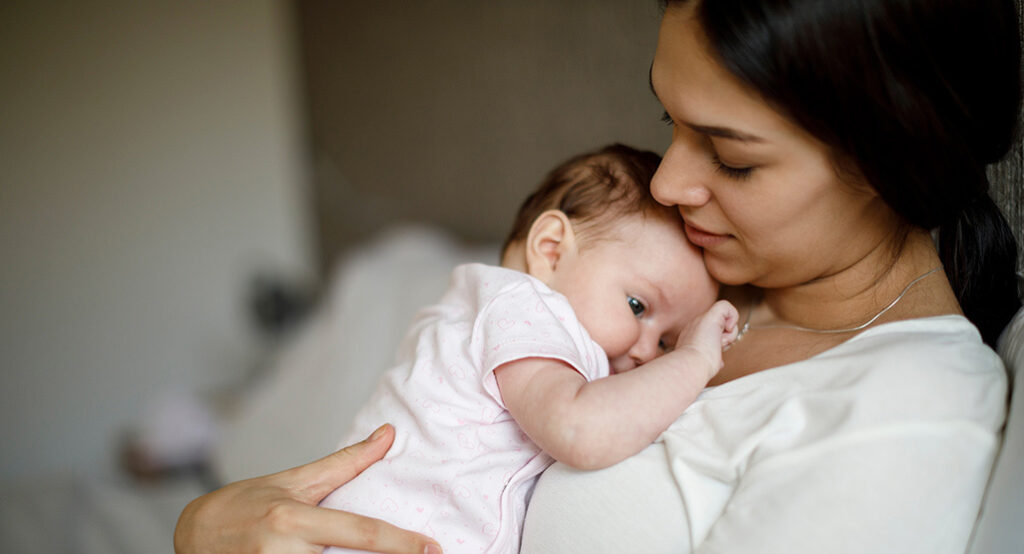
In many cases, hair growth may improve once the underlying hormonal changes are addressed.
3. Telogen Effluvium
Telogen effluvium can cause increased hair shedding after a significant physical or emotional change.
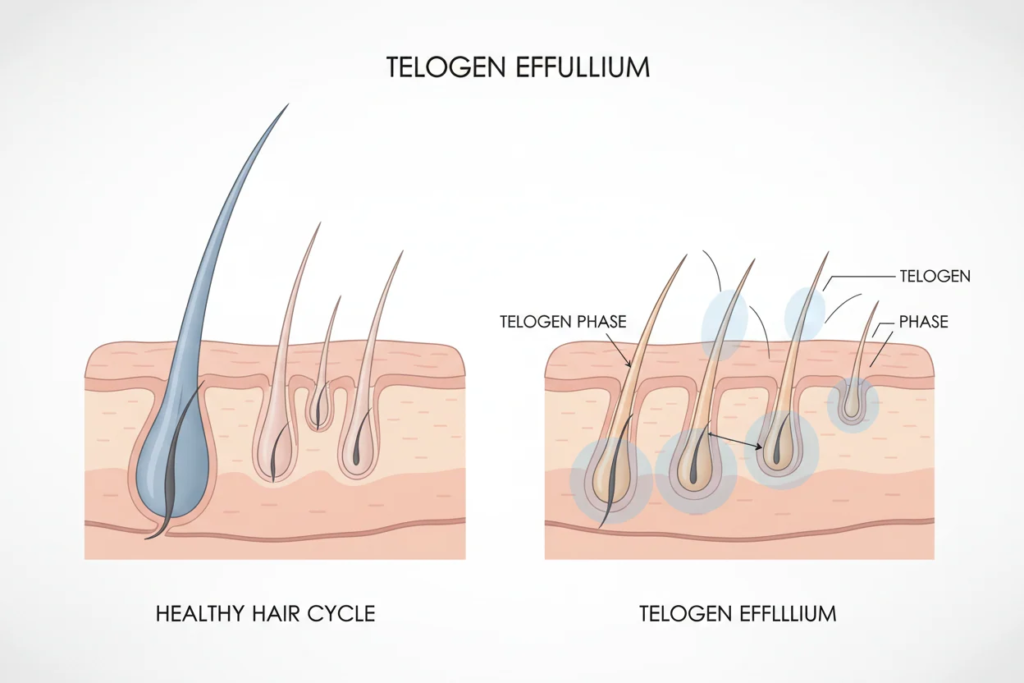
Common triggers include:
- Severe stress
- Illness
- Surgery
- Childbirth
- Rapid weight loss
- Certain medications
Identifying and addressing the trigger may help the hair return to its normal growth cycle.
4. Anagen Effluvium
Anagen effluvium causes rapid hair loss during the active growth phase of the hair cycle.
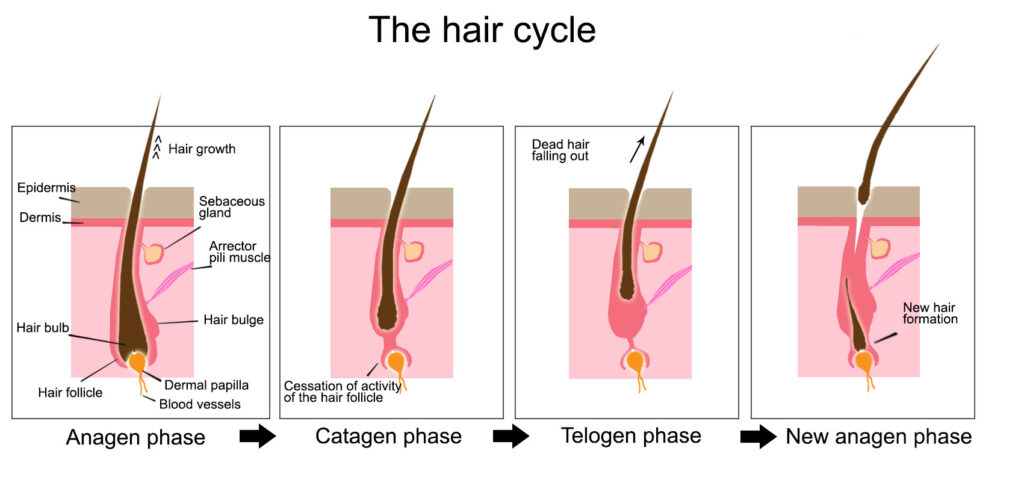
It may occur following certain medical treatments, including chemotherapy and radiation therapy. Treatment depends on the underlying cause.
5. Alopecia Areata
Alopecia areata is an autoimmune condition that can cause sudden, patchy hair loss.
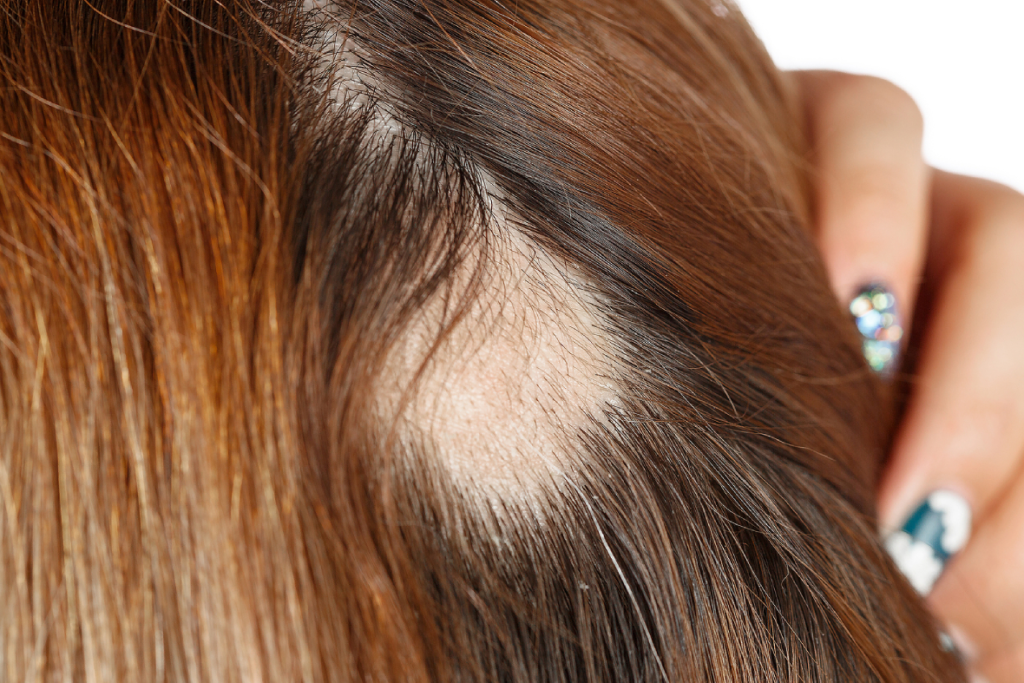
It may affect the scalp, eyebrows or eyelashes. Medical assessment is recommended to determine the appropriate treatment.
6. Traction Alopecia
Repeatedly pulling the hair into tight hairstyles can damage the hair follicles and contribute to hair loss.
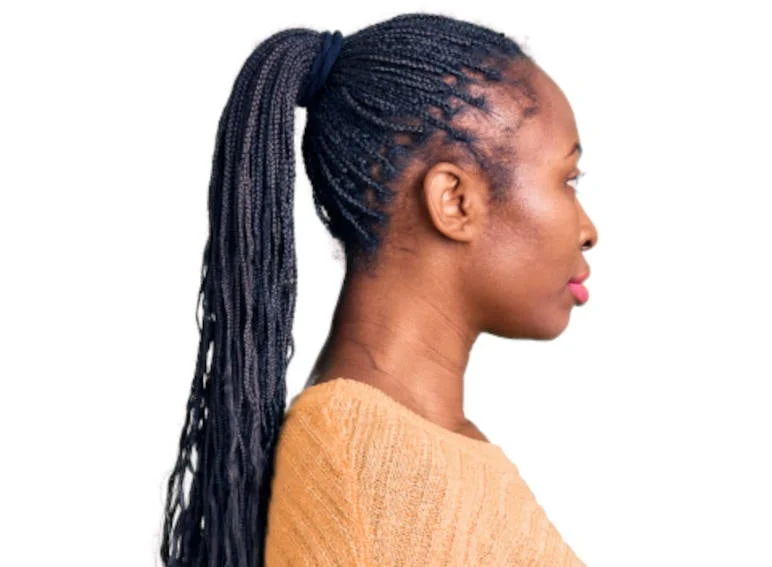
Tight ponytails, buns, braids and hair extensions can increase tension on the scalp.
Reducing excessive tension may help prevent further hair damage.
7. Medication-Related Hair Loss
Some medications can cause hair shedding as a side effect. The risk and severity can vary between individuals.

If you notice unusual hair loss after starting a medication, speak to your doctor before making any changes to your medication.
8. Hormonal Contraceptives
Hormonal contraceptives can affect the hair growth cycle in some individuals. Hair shedding may occur during use or after stopping certain hormonal contraceptives.
If you notice significant hair loss, a medical assessment can help identify the possible cause.
9. Nutritional Deficiencies
Hair follicles require adequate nutrients to support healthy growth. A lack of certain nutrients, including iron and protein, may contribute to excessive hair shedding.
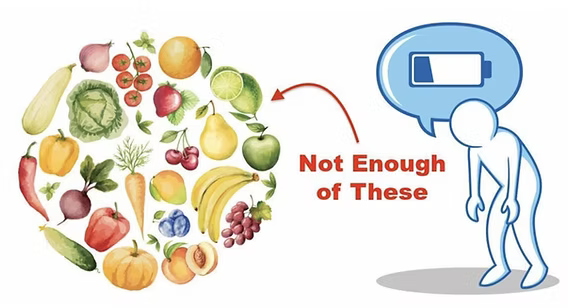
A healthcare professional may recommend blood tests if a nutritional deficiency is suspected.
10. Scalp Fungal Infections
Certain fungal infections, such as tinea capitis, can affect the scalp and cause temporary patches of hair loss.
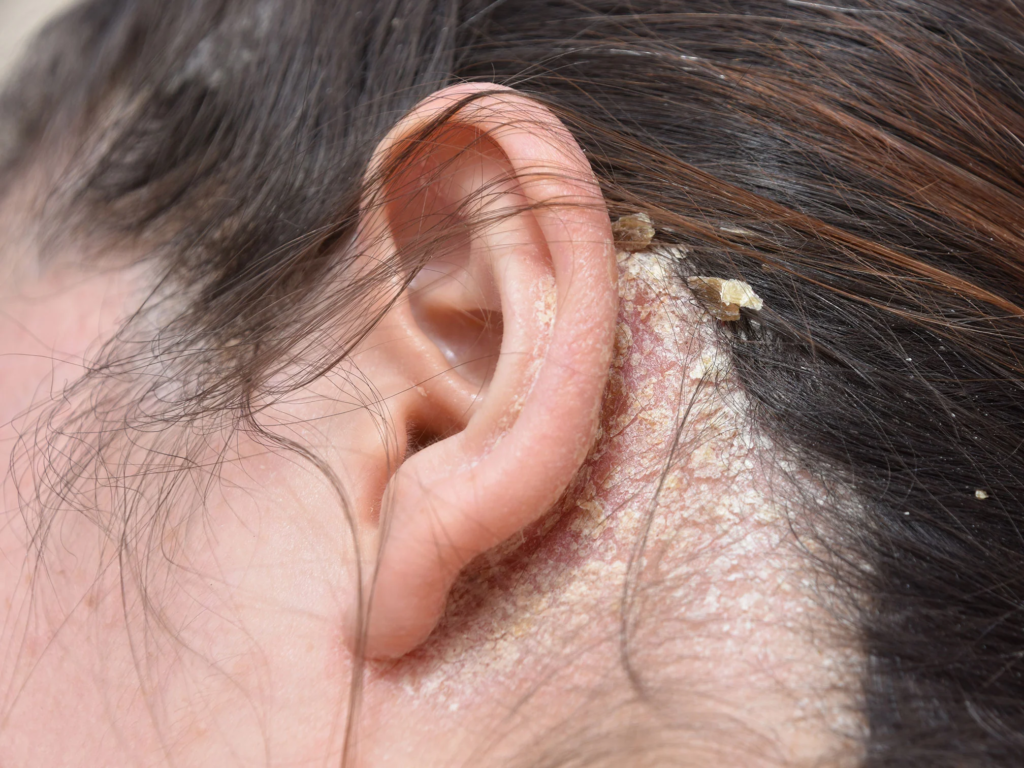
Other symptoms may include itching, scaling, irritation and broken hairs. Medical treatment may be required to clear the infection.
How Can You Support Healthy Hair?
Simple hair care habits can help maintain healthier hair and scalp.
- Eat a balanced, nutritious diet.
- Manage stress and get adequate rest.
- Avoid hairstyles that pull the hair tightly.
- Limit excessive heat and chemical treatments.
- Handle your hair gently when washing and brushing.
- Seek professional advice if hair loss persists.
When Should You See a Hair Specialist?
Consider seeking professional advice if you experience:
- Persistent hair shedding
- Noticeable hair thinning
- A receding hairline
- Sudden patches of hair loss
- Changes in your scalp
- Hair loss that continues to worsen
Finding the cause early can help you understand which treatment options may be suitable for your condition.
Explore Medical Hair Rejuvenation at Advanced Hair Rejuvenation
Hair loss does not always have one simple cause. At Advanced Hair Rejuvenation, we take a medical approach to understanding hair and scalp concerns before recommending suitable treatment options.
Depending on your condition, medical hair rejuvenation treatments such as Hair PRP, Hair PRF and Exosome Hair Treatment may be considered.
If you are concerned about hair thinning or excessive hair shedding, speak to our team at Advanced Hair Rejuvenation to learn more about your hair restoration and rejuvenation options.